Top Posts & Pages





Check out our E-Book “Brussels Umbrellas”

click on pic
Cher Franz Kafka.
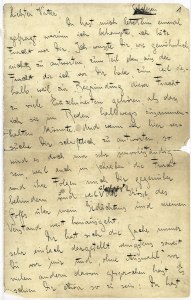
First page of Kafka’s Letter to His Father
J’imagine aisément votre surprise à la lecture d’une lettre émanant d’un habitant du futur, qui plus est quelqu’un d’un pays qui vous est peut-être lointain. Je vous assure néanmoins que ma démarche est sincère, j’ai près de cent ans de moins que vous et malgré les années qui nous séparent, vous et moi, j’ai parfois l’impression de vous connaître. Je vous épargnerai évidemment les détails des démarches, fort pénibles il est vrai, qu’il m’a fallu pour réussir à vous faire parvenir cette lettre jusqu’à votre sanatorium en ce mois de juin 1920, mais je me réjouis d’avance que ma missive soit parvenue jusqu’à vous. Continue reading
Photo by Filip Kubík
Cher auteur jamais publié,
Je ne peux absolument pas dire que tu es mon auteur préféré puisque je ne t’ai pas lu. D’ailleurs, personne ne t’a lu puisque tu n’as jamais été publié.
Vous allez me dire : « Comment est-il possible d’admirer quelqu’un pour ce qu’il a écrit alors qu’on ne connaît pas une seule ligne de lui ? »
Je vais vous expliquer : je n’admire pas mon auteur pour ce qu’il a FAIT, mais pour ce qu’il EST. Il est… comment pourrais-je l’imaginer ? Pas du tout comme un héros de roman. Il n’est ni d’une beauté éclatante, ni d’une laideur repoussante. Il passerait plutôt inaperçu si on le croisait dans la rue. Continue reading
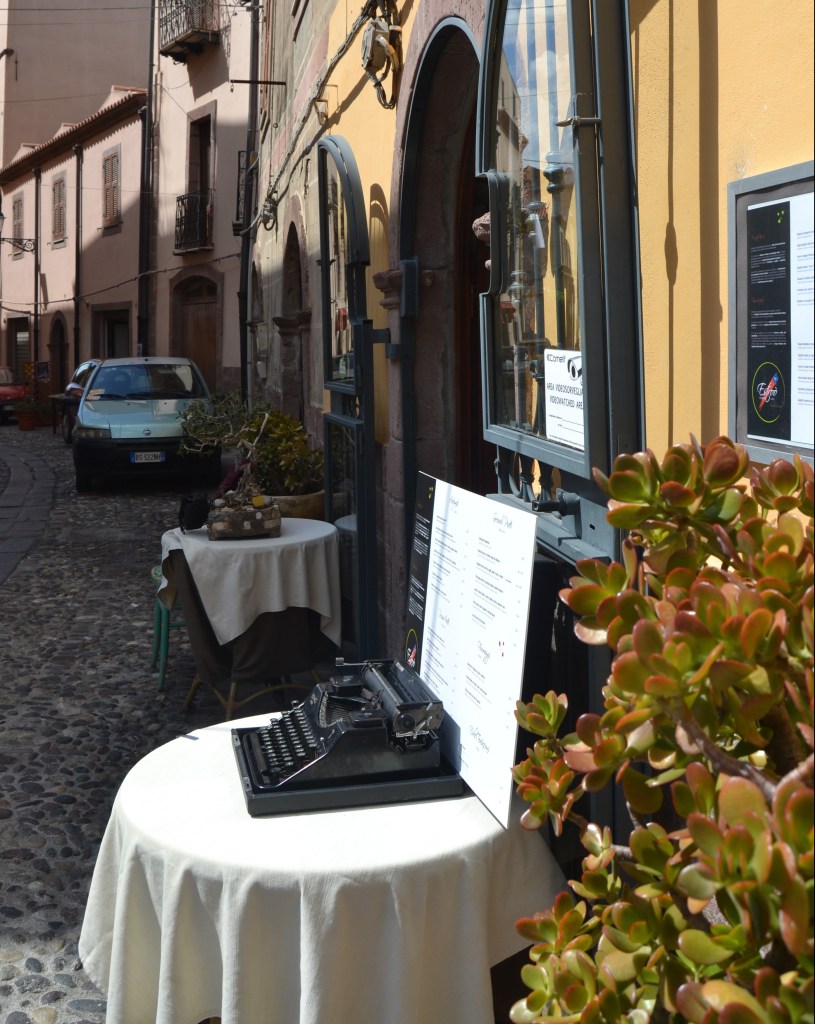
This is a letter from I Know you to You Do Not Know Me.
Did you also write such letters in your lifetime? Those conceived in mind and never sent to your heroic models? Is a celestial pen lighter than the ink one? Be sure that you are very much present here, in this time-space reality. With your books, and, also on your social platform accounts. What shall be done with the accounts when we pass into a different dimension? Are they supposed to be maintained by loved ones or closed? Any thoughts?
Continue reading I woke up at half past one in the morning, got up and went downstairs to the living room. I saw an orange star through the southwest window. Or was it a planet? Was it Mars? Yes, Mars attacks! It attacks my feelings.
I put on my jacket and went for a walk around Boitsfort, a Brussels neighbourhood to which I had recently moved. As soon as I closed the lemon yellow garden gate behind me, I saw a beautiful fox. She stepped silently, her tail casting a large shadow on the cobble stones in my street. Continue reading

click on pic
 writingbrussels