
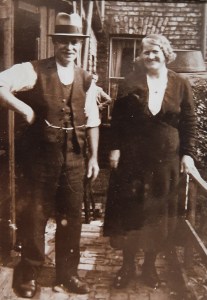
Image courtesy of “How to be a Sloaney: 8 Steps“
“Sometimes you can never tell who’s the baddie in the movie,” chimed George as Lucija proceeded to tell her story about her mission to audit the national accounts of Greece, five years after the emergency bailout of the country’s finances in the wake of what political economists had come to call, as if it really needed an air of melodrama, the ‘Great Recession’.
“You’re so right, George,” replied Lucija, her bright eyes and intelligent analysis bringing delight to her senior colleague.
“Without a doubt,” thought George, “Lucija can lighten up the dullest Monday morning coffee with her vivacious political insights.”
Just then, Lucija gave the smile that always came to her face when she was about to bring the conversation back to the human plane.
“Varoufakis was made out to be the crook,” she continued “but he was certainly not one of your run-of-the-mill villains.”
Continue reading
 Je m’étais levé ce matin avec un mal de tête épouvantable. Je constatai les dégâts produits par la fête qui s’était prolongée jusqu’au petit matin : des verres oubliés sur les étagères de la bibliothèque et des mégots nonchalamment posés dans les pots de plantes. Comme toujours, je me dis « plus jamais », tout en sachant que je ne résisterai pas au prochain appel de l’animal social qui grondera en moi.





 writingbrussels
